Source Anti Slip Eva Hotel Slippers for Bathrooms, Bedrooms, and Lounges
Source anti slip eva hotel slippers from 30 verified listings. Compare options featuring EVA soles, non-woven fabric uppers, and customizable branding for indoor hospitality use.
Key considerations
Products List


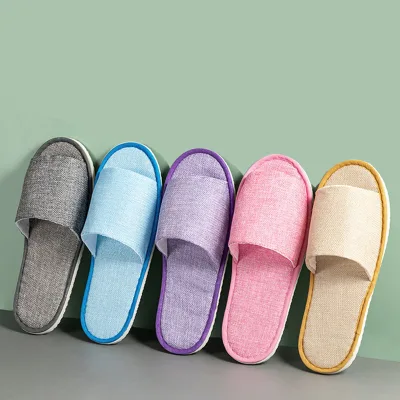


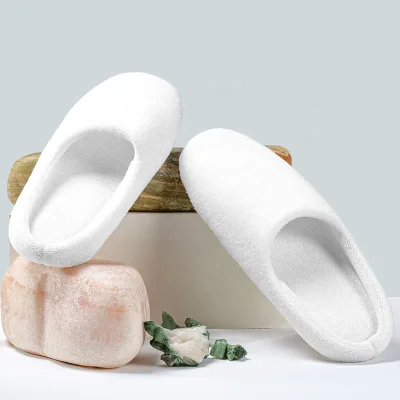


Comprehensive Sourcing Guide
Anti Slip Eva Hotel Slippers Sourcing Guide
Procuring anti-slip EVA hotel slippers requires a disciplined approach that balances guest comfort, safety compliance, and operational efficiency. These disposable footwear items are a staple in the hospitality industry, designed to provide hygiene and convenience for guests while minimizing housekeeping labor. The core material, Ethylene-Vinyl Acetate (EVA), is favored for its lightweight nature, cushioning properties, and ability to be molded into various shapes. When sourcing these products, buyers must navigate a landscape where visual appeal, functional performance, and supply chain reliability intersect. This guide outlines the critical factors for evaluating suppliers, verifying technical specifications, and ensuring that the final product meets the specific needs of your hotel brand.
The following sections provide a structured framework for procurement professionals. We will examine the observed market signals, technical parameters that define product quality, compliance requirements, cost structures, and long-term supplier management strategies. By adhering to these evidence-based guidelines, buyers can mitigate risks associated with poor quality, non-compliant materials, or unreliable delivery schedules. The goal is to establish a sourcing strategy that supports both guest satisfaction and sustainable operational practices.
Product Scope and Observed Listing Signals
The current market for hotel slippers presents a diverse range of options, with observed listings indicating a price range of $0.09 to $13 USD per unit. This wide variance suggests significant differences in material quality, customization depth, and packaging sophistication. Buyers should note that the minimum order quantity (MOQ) typically ranges from 1 to 5,000 pairs, allowing for flexibility in initial trial orders versus large-scale bulk purchases. High-confidence data indicates that white is a dominant color option, though mixed color variations are also available to suit different room themes. The primary usage is identified as indoor hotel rooms, emphasizing the need for clean, sanitary, and comfortable footwear that does not track outdoor dirt.
Technical observations reveal that the sole type is predominantly EVA, with specific thicknesses noted at 6mm, 5.5mm, and 7mm. These variations directly impact the cushioning and durability of the slipper. The sponge thickness is commonly listed at 3mm, contributing to the overall softness. Additionally, the product style includes both open-toe and closed-toe designs, catering to different seasonal preferences and guest demographics. The origin of these products is largely traced to Yangzhou and Jiangsu, China, a region known for its textile and hospitality supply chain infrastructure. Buyers should verify if the "Eco-Friendly" and "Biodegradable" claims associated with some listings align with their corporate sustainability goals, as these terms require substantiation.
Technical Specifications to Verify
When evaluating technical specifications, the dimensions of the slipper are critical for ensuring a proper fit for the target user base. Observed standard sizes include 29x11cm, 30x11cm, and 28x11cm, with a specific model size of 29cm noted. The single package size is often standardized at 10.0x10.0x10.0 cm, which is vital for calculating shipping volume and storage efficiency. The gram weight of individual slippers is reported around 80g, while the single gross weight for packaging is listed at 10.000 kg. These metrics help in determining the cost-per-unit including freight and ensuring that the product feels substantial enough to provide comfort without being overly bulky.
The material composition and sole construction are paramount for safety and comfort. The upper material is typically non-woven fabric, which offers breathability and a soft texture against the skin. The sole options vary, including EVA, plastic DOT, anti-slip sole, rubber, and XPE. It is essential to verify the specific anti-slip properties, as this is a key safety feature for hotel guests. The brand name "JL" and model number "5gf" appear in some listings, but buyers should prioritize custom branding options, as screen printing, embroidery, and sewing labels are available. Confirming the exact sole thickness and material type with the supplier is necessary to ensure consistency across large orders, as discrepancies can affect guest experience.
Compliance and Safety Documentation
Safety and regulatory compliance are non-negotiable aspects of sourcing hotel amenities. While specific certification statuses like REACH or standards such as DIN 51130 are mentioned in background data, buyers must request current, valid certificates from suppliers rather than relying on general claims. The anti-slip function is a critical safety attribute, and suppliers should provide test results or documentation proving that the sole meets relevant friction standards for indoor use. This is particularly important for elderly guests or those with mobility issues, as a slip hazard can lead to liability issues for the hotel.
Environmental claims also require careful verification. Attributes such as "Eco-Friendly" and "Biodegradable" are listed, but these terms are often loosely applied. Buyers should ask for specific details on the biodegradation timeline, the materials used, and any third-party certifications that support these claims. Additionally, the washable nature of the product is described as "Disposable," which seems contradictory; clarification is needed to understand if the product is intended for single-use or if it has any reusable components. Ensuring that all materials are free from harmful chemicals and comply with local regulations in the hotel's operating region is essential for maintaining brand integrity and guest trust.
Cost Drivers and Commercial Terms
Understanding the cost structure of hotel slippers involves analyzing several key drivers, including material costs, customization complexity, and packaging requirements. The observed price range of $0.09 to $13 USD reflects these variables. Basic, non-customized slippers with standard packaging will be at the lower end, while those with intricate embroidery, premium materials, or specialized eco-friendly certifications will command higher prices. The box quantity, often listed as 300 pairs per box, impacts handling and shipping costs. Buyers should calculate the total landed cost, including freight, duties, and insurance, rather than focusing solely on the unit price.
Commercial terms such as MOQ, lead times, and payment conditions are crucial for supply chain planning. An MOQ of 5,000 pairs is noted for some suppliers, which may be suitable for large hotel chains but challenging for smaller properties. Delivery times are typically around 25 days after payment, with sample times ranging from 3 to 5 days. These lead times must be factored into inventory management strategies to avoid stockouts. Buyers should negotiate clear terms regarding quality acceptance, return policies for defective goods, and penalties for delayed shipments. Understanding these commercial dynamics helps in building a resilient and cost-effective supply chain.
Supplier Qualification and Quality Control
Supplier qualification is the first line of defense against quality issues. Buyers should conduct thorough due diligence, verifying the supplier's business license, production capacity, and past performance. Visiting the factory or hiring a third-party inspection service can provide insights into the manufacturing process and quality control measures. Given that the origin is often Yangzhou or Jiangsu, buyers should be familiar with the local industrial ecosystem and any regional quality trends. Requesting references from other hotel clients can also help assess the supplier's reliability and customer service quality.
Quality control protocols should be established before placing large orders. This includes defining clear acceptance criteria for color, size, stitching, and sole adhesion. Sampling is a critical step; buyers should order samples to evaluate the product's comfort, durability, and aesthetic appeal. The sample time of 3-5 days allows for quick iteration if adjustments are needed. During production, random inspections should be conducted to ensure consistency. Packaging integrity is also important, as slippers are often packed in OPP bags within cartons. Ensuring that the packaging protects the product from moisture and damage during transit is essential for maintaining quality upon arrival.
Long-Term Procurement Checks
Long-term procurement success depends on continuous monitoring and relationship management. Buyers should regularly review supplier performance metrics, including on-time delivery rates, defect rates, and responsiveness to issues. Building a strong relationship with the supplier can lead to better pricing, priority production, and collaborative innovation. Regular communication about market trends, guest feedback, and sustainability goals can help align the supplier's offerings with the hotel's evolving needs. This proactive approach ensures that the supply chain remains agile and competitive.
Sustainability and innovation are increasingly important in the hospitality industry. Buyers should explore opportunities for improving the environmental footprint of their slippers, such as switching to recycled materials or biodegradable options. However, these changes must be balanced with cost and performance considerations. Regularly updating the product specifications based on guest feedback and industry best practices can enhance the guest experience. By maintaining a strategic focus on quality, compliance, and sustainability, buyers can ensure that their hotel slippers contribute positively to the brand's reputation and operational efficiency.
FAQs
What materials are used for anti slip eva hotel slippers?
These slippers typically use non-woven fabric for the upper and EVA for the sole. The sole thickness varies, with common options including 5.5mm, 6mm, or 7mm EVA. Some models also offer plastic DOT or rubber anti-slip soles. The material choice ensures breathability and comfort for indoor hotel room use.
Can I customize the logo on these hotel slippers?
Yes, customization is available for branding purposes. Buyers can choose from screen printing, embroidery, or sewing labels to add their logo. The brand name can be customized or left as Eco Nature. This service allows hotels to maintain their specific identity and guest experience standards effectively.
What is the typical MOQ for these slippers?
The minimum order quantity is often set at 5000 pairs. However, observed ranges indicate MOQs can start as low as 1 unit for samples. Bulk orders usually follow the 5000 pair threshold. Buyers should confirm specific MOQ requirements with suppliers, as policies may vary based on customization needs and stock availability.
How are these slippers packaged for shipping?
They are typically packed in OPP bags individually, then placed into cartons. Standard box quantities are around 300 pairs per carton. The single package size is approximately 10x10x10 cm. This packaging method protects the product during transit and simplifies inventory management for hotel procurement teams.
What are the standard sizes for these slippers?
Standard dimensions include 28x11cm, 29x11cm, and 30x11cm. The 29cm size is a common specification for adult users. These dimensions are designed to fit most adults comfortably. Buyers should select the size that best matches their target guest demographic to ensure optimal fit and satisfaction during their stay.
What is the lead time for delivery?
Delivery time is generally shipped in 25 days after payment. Sample times are shorter, usually taking 3-5 days. These timelines apply to standard production runs. Buyers should account for these lead times when planning inventory replenishment to avoid stockouts, especially during peak hotel seasons or high-demand periods.